Understanding Strange Kinks Without Shame
If you have ever wondered why a particular fantasy feels oddly specific, you are not alone. Many people use phrases like strange kinks because they lack a calmer vocabulary for desires that seem unusual, niche, or hard to explain. A kink can feel strange simply because it sits outside the scripts you learned from friends, media, or past relationships. That does not automatically make it harmful, unhealthy, or worth hiding. The more useful question is not "am I weird?" but "what does this interest mean to me, and how can I treat it responsibly?" For private, non-judgmental reflection, a private BDSM preference reflection can help you notice patterns without turning them into a permanent label.

What Makes a Kink Feel Strange?
A strange kink is often a familiar human ingredient arranged in an unfamiliar way. The ingredient might be power, attention, praise, taboo, texture, clothing, voice, restraint, ritual, vulnerability, or sensory contrast. What makes it feel strange is usually the context: maybe the object is ordinary outside intimacy, the fantasy is very specific, or the emotional tone is different from what you expected to want.
It helps to separate three ideas. A kink is a non-traditional interest, activity, or fantasy. A fetish is often more object- or body-part-focused, though people use the words loosely. A preference is broader: it may include roles, moods, language, pacing, or relationship dynamics. Someone can have a strange kink without wanting to act on it, share it, or make it central to their identity.
Search results for strange sexual kinks often lean toward shock lists. Those can be entertaining, but they rarely answer the deeper question behind the search. Most readers want reassurance, language, and a way to think clearly. The educational frame matters because the same interest can be harmless fantasy for one adult, a negotiated activity for another, or a hard limit for someone else.
Is It Normal to Have Unusual Kinks?
Yes, it is common for adults to have unusual turn-ons, fantasies, or curiosity. "Normal" does not mean every kink is common, simple, or right for every relationship. It means human desire is varied, and variation by itself is not a moral failure. Feeling surprised by your own interest is also normal, especially if you grew up with narrow messages about sex, gender, pleasure, or control.
A better standard than "normal or strange" is "consensual, legal, respectful, and aligned with my values." Those four filters give you more practical information than shame does. If an interest remains private fantasy and does not involve violating anyone's consent, it can be treated as a thought to understand rather than a problem to erase. If you want to explore it with another adult, then consent, negotiation, privacy, and safety become the center of the conversation.
This is where an anonymous kink self-reflection tool can be useful. It cannot tell you who you are forever, and it is not professional advice. It can, however, give you a structured way to compare interests such as dominance, submission, sensation, role play, restraint, praise, degradation, pet play, or vanilla comfort without forcing you into a single box.
Why Some Strange Kinks Develop
There is rarely one neat reason for a strange kink. Desire often grows from a mix of memory, emotion, body response, imagination, and learned associations. A certain material might feel grounding. A role might create permission to express confidence or surrender. A taboo idea might feel intense because it contrasts with everyday rules. A scenario might feel exciting because it gives structure to vulnerability.
Sometimes the appeal is sensory. Temperature, pressure, sound, scent, fabric, or visual contrast can become strongly linked to arousal. Sometimes the appeal is emotional. Praise can feel deeply affirming; controlled helplessness can feel relieving when it is negotiated; being watched or admired can feel validating in a setting where privacy and consent are clear.
Other times the appeal is symbolic. A person who is responsible all day may enjoy a submissive role because it offers rest from decision-making. A quiet person may enjoy dominance because it gives a clear container for assertiveness. A strange kink may also be playful, aesthetic, or theatrical rather than psychologically heavy.
The key is to avoid turning curiosity into a fixed explanation too quickly. You do not need a dramatic origin story to justify a harmless interest. You can simply ask: What feeling does this fantasy create? What part of it matters most? Would I want this in real life, or only in imagination?
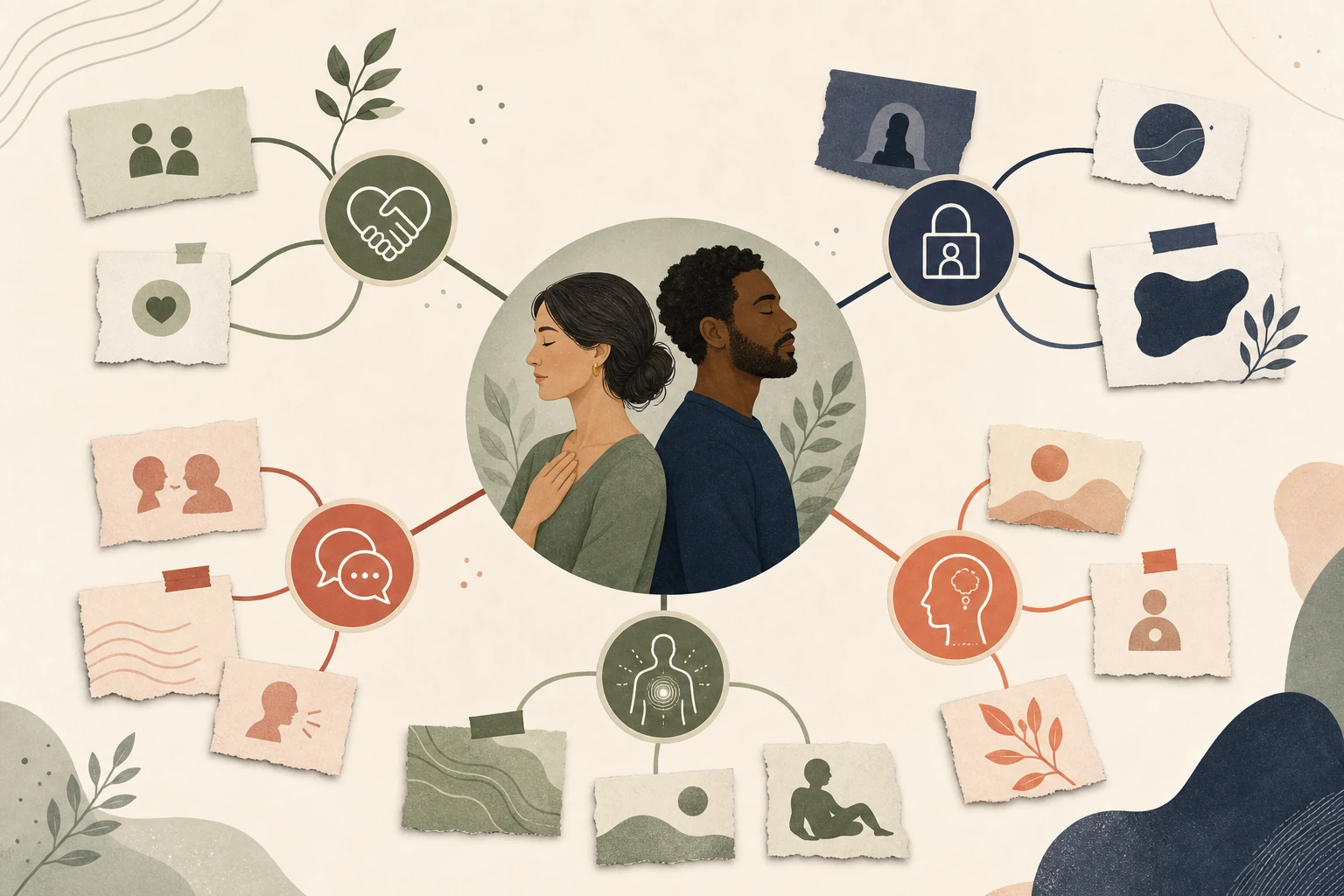
A Safety Filter for Strange Sexual Kinks
Before acting on any strange kink, run it through a practical safety filter. This does not have to be clinical or intimidating. It is simply a way to protect everyone involved.
First, consent must be enthusiastic, informed, ongoing, and reversible. If another person is involved, they need enough information to say yes, no, or maybe later without pressure. Consent is not a one-time signature; it continues through the interaction.
Second, separate fantasy from reality. Some fantasies work because they are imaginary, exaggerated, or impossible. You are allowed to enjoy a thought without trying to recreate it. If a real-life version would create legal, emotional, physical, or privacy risks, keep it in fantasy or reshape it into a safer symbolic version.
Third, name hard limits and soft limits. A hard limit is a no. A soft limit might be a maybe, a slow area, or something that needs more information. Strange kinks become easier to discuss when limits are treated as normal data rather than rejection.
Fourth, plan aftercare when intensity is involved. Aftercare can be as simple as water, a check-in, quiet time, reassurance, or practical decompression. It is not only for advanced BDSM scenes; it is a respectful way to return to everyday connection.
Finally, remember that distress matters. If a kink causes ongoing shame, interferes with daily life, feels compulsive, or involves urges that would violate consent or safety, consider speaking with a qualified sex-positive professional. That step is not punishment. It is support.
How to Reflect on a Strange Kink
Try a short private reflection before deciding what the interest means. You can write brief answers instead of long journal entries:
- What exact part of the fantasy stands out: the role, object, sensation, words, setting, risk, ritual, or feeling?
- Do I want this in real life, only in fantasy, or am I unsure?
- What would make it feel respectful and safe?
- What would make it an immediate no?
- Does this interest align with the kind of intimacy I want to build?
- What language would help me explain it without apologizing for existing?
This kind of reflection turns a strange kink into something more specific. Instead of "I am weird," you might discover "I like structured power exchange," "I respond to sensory contrast," "I enjoy praise," or "I am curious about being guided." Specific language reduces shame because it gives you choices.
It is also okay if the answer is "I do not know yet." Exploration does not require instant certainty. You can hold an interest lightly, revisit it later, or decide it is not for you after all.
Talking About Strange Kinks With a Partner
If you want to share a strange kink with a partner, lead with context rather than a demand. A calm opener might sound like: "I have been reflecting on a fantasy that feels vulnerable to name. I do not need us to act on it today, but I would like to talk about what it brings up for me."
That sentence does three helpful things. It signals trust. It removes urgency. It gives your partner room to listen before deciding anything. You can then explain the emotional core of the kink before the details. For example: "The part that interests me is the feeling of being guided," or "I think I like the ritual and anticipation more than the specific object."
Invite curiosity, but make no one responsible for performing enthusiasm. Ask: "How does that land for you?" or "Is any part of this interesting, neutral, or uncomfortable?" If your partner says no, treat that no as useful information. Compatibility is not proven by agreeing to every kink. It is built through honesty, respect, and the ability to handle difference without punishment.
For new activities, start smaller than the fantasy. Use non-explicit language, role play, clothing, pacing, or symbolic gestures before moving into anything intense. Agree on a stop signal, check in afterward, and revise based on what both people actually felt.

Turning Curiosity Into Safer Self-Knowledge
Strange kinks do not have to become secrets that isolate you or labels that trap you. They can become clues. A strange kink might point toward a role you enjoy, a sensation you respond to, a communication need, a boundary, or a fantasy that simply lives well in imagination. The goal is not to make every desire public or actionable. The goal is to know yourself with more kindness and precision.
If you want a structured next step, use a gentle BDSM preference test as one reflection tool among many. Review the results as prompts for thought, not as a verdict. Then compare them with your real boundaries, relationship context, and values. The most useful outcome is not a perfect category; it is clearer language for what you want, what you do not want, and what you may want to understand slowly.
FAQ
Is it normal to have unusual kinks?
Yes. Many adults have unusual fantasies, turn-ons, or curiosities. The important questions are whether the interest is consensual, legal, safe enough to explore, and respectful of everyone involved.
Does having a strange kink mean I need to act on it?
No. Fantasy and action are different. Some kinks are enjoyable only in imagination, writing, private reflection, or conversation. You can value a fantasy without turning it into a real-life scene.
What is the difference between a strange kink and a fetish?
People often use the terms interchangeably. In general, a kink is a non-traditional interest or activity, while a fetish is more focused on a specific object, material, body part, or scenario. The boundary is not always tidy.
Should I tell my partner about every kink?
You do not owe anyone immediate disclosure of every private thought. If a kink affects your shared intimacy or you want to explore it together, bring it up gently, with consent and no pressure.
What if my partner thinks my kink is weird?
Try to separate discomfort from disrespect. A partner may need time, have questions, or decide it is not for them. A respectful no is different from shaming. You deserve conversations that protect both honesty and boundaries.
When should I seek extra support?
Consider support if an interest causes ongoing distress, feels hard to manage, interferes with daily life, or involves urges that would violate consent, safety, or the law. Look for a qualified, sex-positive professional if possible.