The Psychology Behind Kinks: What Your BDSM Test Reveals
Have you ever wondered why certain dynamics or scenarios spark intense feelings within you, while others leave you cold? What are kinks, and what do they truly reveal about our intricate psychological makeup? The exploration of our desires often goes far beyond simple labels. Understanding the psychology behind them is the key to unlocking deeper self-awareness, fostering more meaningful connections, and engaging in safer, more fulfilling practices. By taking our free, expert-designed BDSM test here, you'll gain unprecedented insight into the psychological patterns that shape your unique desires. This journey of self-discovery illuminates how our neurological wiring, emotional needs, and life experiences converge to create the fascinating tapestry of human sexuality.

The Neurological Architecture of BDSM Motivation
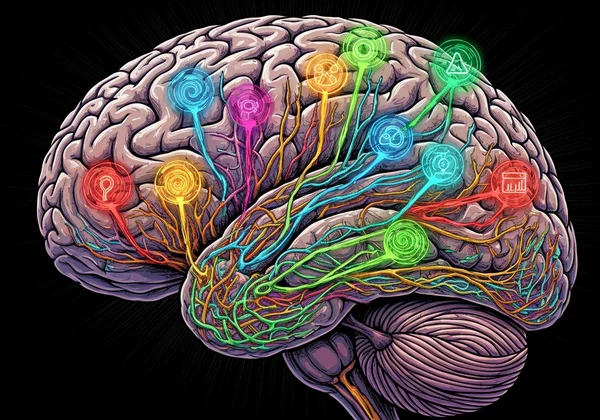
Our understanding of BDSM motivation begins with recognizing how our brains respond to erotic stimuli. Far from being random, our attractions are rooted in complex neurological processes. Neuroscientific research reveals that specific dynamics activate neural pathways in surprisingly meaningful ways, creating a powerful link between our mind and our desires.
Brain Chemistry and the Kink Response
When engaging with specific fantasies or practices, the brain releases a complex cocktail of neurotransmitters. Dopamine—the "reward chemical"—floods our system when anticipating or experiencing pleasing scenarios, driving our motivation to seek them out again. Endorphins create natural euphoria and can act as analgesics, which is particularly relevant in practices involving controlled pain or intense sensation.
Furthermore, oxytocin, known as the "bonding hormone," often increases during power exchange dynamics, explaining why many practitioners report feeling profoundly closer and more connected to partners after scenes. Serotonin levels also play a significant role, with many studies showing patterns similar to those in mindfulness practices. This neurological connection helps explain why many BDSM enthusiasts describe their experiences as deeply meditative or cathartic.
Neuroplasticity and Desire Formation
Our sexual responses aren't fixed at birth. Through neuroplasticity—the brain's ability to reorganize itself based on experience—we constantly develop new connections between pleasure, emotional safety, and erotic concepts. Every consensual experience, every fantasy explored, can physically alter neural pathways, reinforcing or shaping our attractions over time. This explains why preferences evolve throughout life and why thoughtful exploration through tools like our personalized BDSM test can reveal surprising patterns you might not consciously recognize.
Desire Mechanics: The Psychology Behind Power Dynamics
Desire mechanics operate at the intersection of our deepest psychological needs and our preferred relational patterns. Understanding these powerful, often unconscious, forces helps decode your BDSM test results far beyond surface-level labels like "dominant" or "submissive."
Attachment Theory in Dominance-Submission
Modern psychology recognizes that our early attachment patterns—the bonds we formed with primary caregivers—often resurface in our adult romantic and erotic dynamics. Those with secure attachment might comfortably explore dominance or submission, viewing power exchange as a form of playful, secure roleplay. Others might discover through testing that certain dynamics help heal insecure attachments by providing a space for carefully negotiated trust exercises. This understanding transforms "Am I dominant or submissive?" from a binary question into a nuanced self-inquiry about what makes you feel safe, seen, and connected.
Trauma-Informed Perspectives on Kink
Contrary to outdated and harmful assumptions, modern BDSM psychology research shows kink often represents a conscious reclamation of power rather than an unconscious repetition of trauma. For many practitioners, carefully negotiated power dynamics provide a safe container to rewrite personal narratives around control, vulnerability, and agency. It can be a space to experience intense sensations within a framework of absolute consent, which can be profoundly healing. Our test helps identify which dynamics might hold this transformative potential for you—a process best explored through our carefully designed assessment.

Communication and Negotiation: The Practical Application of Kink Psychology
Understanding the 'why' behind your desires is not just an academic exercise; it is the single most powerful tool for improving communication, negotiation, and overall safety.
Beyond 'Yes' and 'No': Communicating Core Needs
Effective negotiation goes beyond simply listing likes and dislikes. When you understand the kink psychology driving your desires, you can communicate your core needs. Instead of saying, "I like being tied up," you can express the underlying need: "Feeling physically restrained in a safe context helps me let go of my daily anxieties and trust my partner completely." This deeper level of communication allows partners to meet each other's emotional needs more effectively and creatively, leading to more satisfying experiences.
Using Psychological Insight for Safer Scenes
Psychological awareness is the foundation of proactive safety. When you understand your own emotional triggers and psychological limits—and those of your partner—you can structure scenes that minimize risk and maximize connection. It allows you to anticipate potential challenges and build in emotional aftercare that is specifically tailored to the psychological experience you just shared. Gaining this self-knowledge begins with a clear baseline, which you can establish by reviewing the results from our free BDSM assessment.
How Your BDSM Test Results Reflect Psychological Patterns
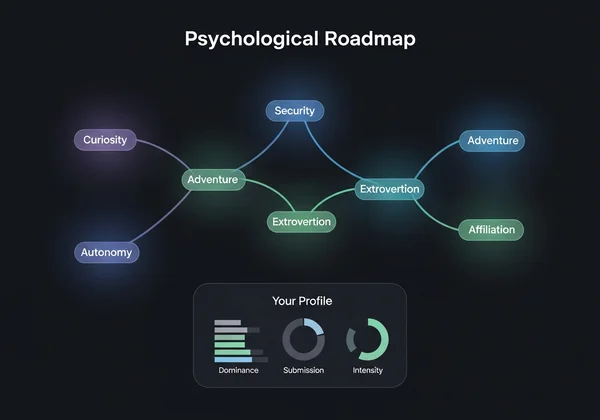
When you complete your free test, you're not just getting labels—you're receiving a personalized psychological roadmap. The report is designed to help you see the patterns connecting your personality, your needs, and your erotic inclinations.
Role Tendencies: Psychological Needs Expressed
Your scores for Dominant, Submissive, and Switch tendencies reveal fundamental psychological needs rather than rigid identities. A high Dominance score might indicate a preference for leadership, responsibility, and expressing care through control. Strong Submissive tendencies often correlate with a deep-seated joy in surrender, trust, and relinquishing mental burdens. High Switch scores frequently reflect psychological flexibility and empathy—the ability to find fulfillment and understand the experience from multiple relational perspectives.
Intensity Preferences: Your Personal Threshold Spectrum
The psychology behind your intensity thresholds—whether you score high in sensual, moderate, or extreme practices—often connects to your neurological sensitivity and emotional regulation style. Some individuals are wired to seek intense physical stimuli to feel grounded, while others require gentle, sensory-focused experiences to feel safe and open. Our test accounts for these nuances, helping you understand your boundaries not as limitations, but as integral parts of your unique psychological safety system.
From Patterns to Practice: Applying Psychological Insights
Understanding the kink psychology behind your desires transforms exploration from random experimentation into intentional personal development. It moves you from being a passenger in your own desires to an active, informed driver. This psychological awareness empowers you to identify compatible partners through shared emotional needs, not just overlapping kinks. It allows you to safely expand your boundaries by first understanding their origins and to communicate your needs with a clarity and confidence that fosters profound trust.
Ready to translate psychological theory into personal insight? Your journey begins with taking our comprehensive BDSM test—the first step toward intentional, empowered self-discovery.
Understanding Kink Psychology
Is having kinks a sign of psychological trauma?
Contemporary kink psychology research consistently and emphatically disproves this myth. The DSM-5 (the standard classification of mental disorders) specifically distinguishes consensual BDSM from pathology, recognizing it as a valid form of sexual expression. While some individuals may explore themes related to their past, many practitioners find kink enhances emotional wellbeing by providing structured avenues for vulnerability, trust-building, and creating corrective emotional experiences in a safe, consensual environment. For a personalized understanding of your own desires, try our trauma-informed assessment tool.
Can my BDSM preferences change over time psychologically?
Absolutely. Because our desires are linked to our life experiences and brain chemistry through neuroplasticity, they naturally evolve. As we grow emotionally, enter new relationships, engage in therapy, or simply gain expanded self-awareness, our preferences can shift. A dynamic that felt essential in your twenties might feel less important in your forties. This is a normal and healthy aspect of human sexuality. Many users take our test annually to track their psychological journey and evolving desires.
How does psychological awareness improve BDSM safety and negotiation?
Understanding your desire mechanics is critical for effective negotiation. When you comprehend the psychological needs underpinning your preferences (e.g., "I need to feel cherished," "I need to feel in control"), you can communicate limits and desires more clearly. This allows you and your partners to co-create scenes that are not only physically safe but emotionally and psychologically fulfilling, recognizing and avoiding potential triggers before they become issues. Start building this essential awareness with our safety-focused BDSM assessment.