Sexual Spectrum Test: How to Read Results Without Turning Them Into Labels
A sexual spectrum test can feel reassuring when you want language for attraction, curiosity, identity, or changing desire. It can also feel too neat for something as personal as sexuality. The healthiest way to use one is not to hunt for a final label, but to notice patterns: who you are drawn to, what kind of intimacy feels meaningful, how your answers shift over time, and what still feels uncertain. If you are also exploring kink, power exchange, or desire in a wider sense, a private BDSM self-reflection tool can sit beside orientation reflection as a separate, optional lens.
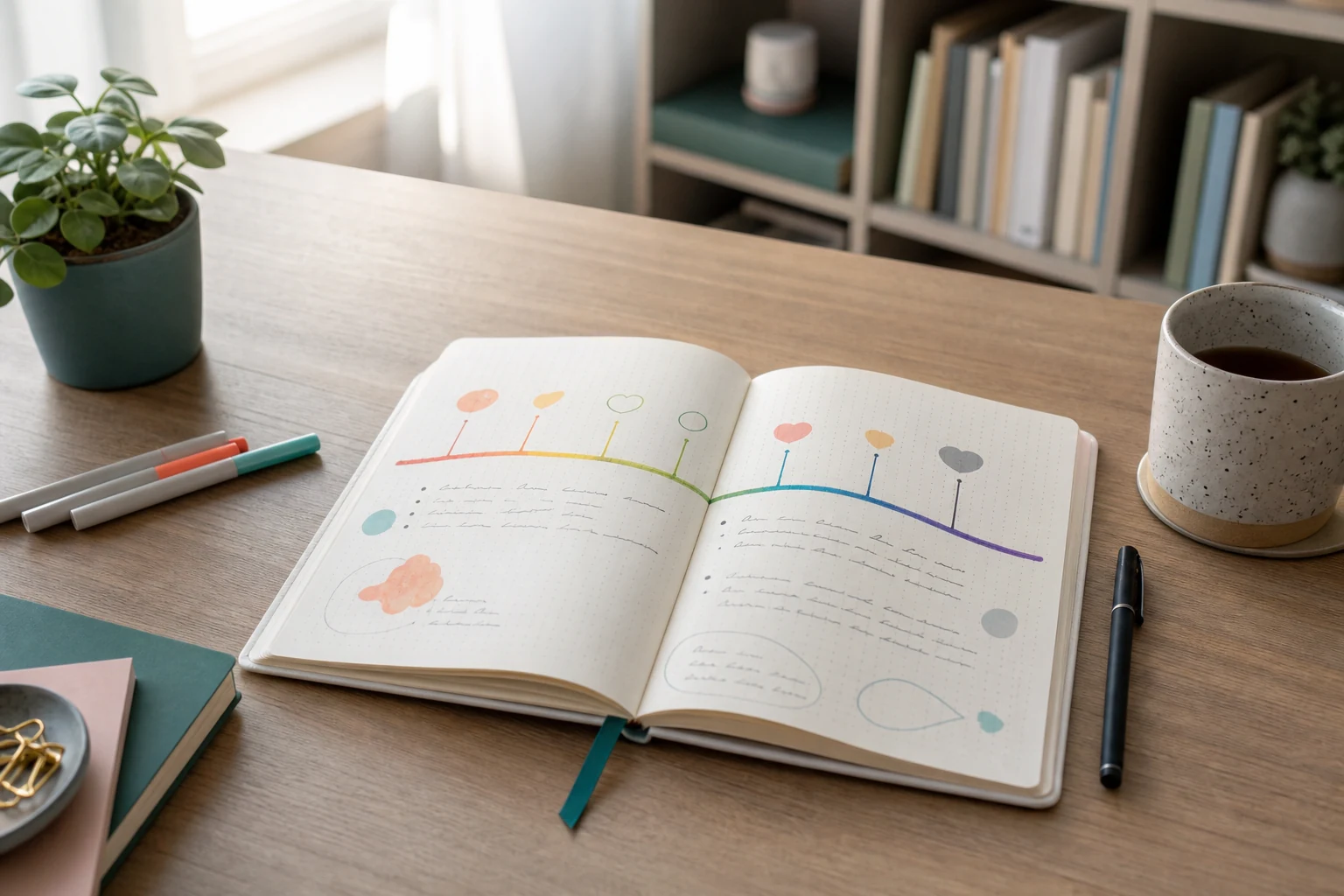
What a Sexual Spectrum Test Can and Cannot Tell You
A sexual spectrum test usually asks about attraction, fantasy, relationship interest, identity language, or past experience. Some tests focus on gendered attraction, while others include romantic attraction, emotional connection, asexuality, fluidity, or uncertainty. The common promise is simple: instead of forcing you into one of a few boxes, the test places your answers on a broader spectrum.
That broader view can be useful. Many people do not experience attraction as a fixed binary. Someone might feel mostly drawn to one gender but still have meaningful attraction outside that pattern. Another person might feel romantic interest without much sexual attraction. Someone else might notice that fantasy, behavior, and identity language do not line up perfectly.
Still, a test is only a structured reflection. It cannot know your full history, culture, safety needs, relationship context, or private sense of identity. Your result should be read as a snapshot of your responses, not a ruling about who you must be. Good tests make space for "I am not sure yet" and "this may change."
Why the Kinsey Scale Still Shapes Sexuality Spectrum Tests
The Kinsey Scale is one of the most familiar reference points for modern sexuality spectrum tests. It described sexual orientation as a range from exclusively heterosexual to exclusively homosexual, with an additional X category used in the original research for people who reported no socio-sexual contacts or reactions. That was historically important because it challenged the idea that everyone fits cleanly into one of two opposite categories.
The catch is that the Kinsey Scale was not originally a quick online quiz. It came from research interviews and was based on information people gave about their sexual histories. That matters because many online "Kinsey scale test" pages simplify a much more complex research tradition.
The Kinsey model also has limits. It focuses heavily on heterosexual and homosexual attraction and does not fully describe all modern identity language, nonbinary experiences, romantic orientation, asexual spectrum experiences, kink, or relationship structure. For that reason, a full sexuality spectrum test should explain what it measures and what it leaves out.
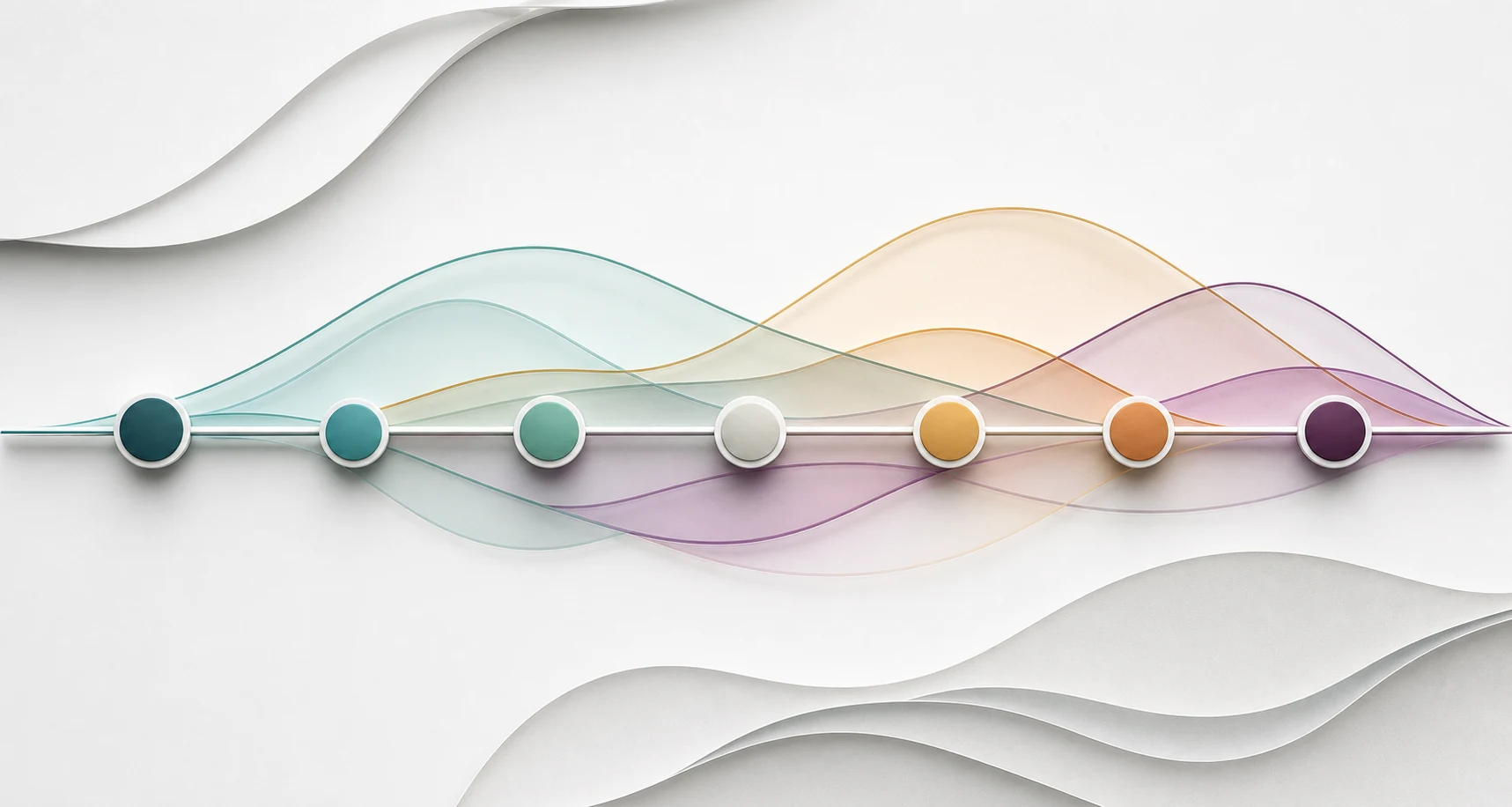
Sexual Orientation, Asexuality, and Kink Are Different Lenses
One common mistake is treating every sexuality-related test as if it measures the same thing. Sexual orientation is usually about patterns of attraction: who you may feel sexually or romantically drawn to. Asexual spectrum language is often about the presence, absence, frequency, or conditions of sexual attraction. Kink and BDSM preferences are about interests, dynamics, sensations, roles, boundaries, and forms of consensual play.
Those lenses can overlap in a person's life, but they are not interchangeable. A person can be bisexual and vanilla, asexual and kinky, heterosexual and interested in power exchange, queer and uninterested in BDSM, or still unsure about every category. None of those combinations is a contradiction.
This distinction is especially important for BDSMTest.Online readers. A BDSM or kink result can help you think about roles, limits, communication, and desire patterns, but it does not determine your sexual orientation. Likewise, a sexuality spectrum test does not tell you whether you are dominant, submissive, switch, rope-focused, service-oriented, or uninterested in kink. If you want to explore that second lens, an anonymous kink preference reflection may be more relevant than an orientation quiz.
How to Read Sexual Spectrum Test Results Safely
Start by reading the result as descriptive language, not identity pressure. Ask: Does this wording help me understand myself, or does it feel too narrow? Does it match current attraction, past experience, fantasy, romantic connection, or only one of those?
Then look for dimensions, not just labels. A thoughtful result may separate sexual attraction from romantic attraction, fantasy from behavior, and identity from relationship preference. If a result collapses everything into one label, treat it as a rough summary.
It also helps to notice emotion. Relief, curiosity, resistance, confusion, or grief can all appear when you see a result. None of those reactions proves or disproves the result. They simply give you more material to reflect on.
A practical reading process can look like this:
- Write down the parts of the result that feel accurate.
- Mark the parts that feel incomplete, outdated, or too strong.
- Add examples from real life, fantasy, crushes, relationships, or absence of attraction.
- Revisit the result later instead of forcing a decision in one sitting.
- If the topic brings distress, shame, or relationship pressure, consider speaking with an affirming professional or trusted support person.
A Better Checklist for Choosing a Sexuality Spectrum Test
Before using a sexuality spectrum test, scan the page with a little healthy skepticism. The best options are clear about what they measure, how many questions they ask, and how results should be interpreted. They use respectful language and avoid implying that one orientation, attraction pattern, or level of sexual interest is better than another.
Privacy also matters. Sexuality questions can be sensitive even when the test is casual. Look for signs that the tool does not require unnecessary identifying information and that it gives you room to stop if a question feels uncomfortable.
Use this quick checklist:
- The test explains whether it measures attraction, identity, behavior, fantasy, romantic interest, or a mix.
- It includes room for mixed attraction, uncertainty, fluidity, and low or absent sexual attraction.
- It avoids shaming language and does not rank identities by worth.
- It presents results as educational reflection, not a permanent label.
- It does not pressure you to share results publicly.
- It encourages context, consent, and personal boundaries.

What to Do After a Sexual Spectrum Test
After a sexual spectrum test, the most useful next step is gentle interpretation. You do not need to announce anything, change a relationship, or pick a label immediately. Instead, decide what kind of clarity you actually want.
If you want language, compare a few terms and notice which ones feel respectful rather than forced. If you want relationship clarity, think about what you might eventually want to share with a partner: attraction patterns, boundaries, curiosity, or uncertainty. If you want self-acceptance, choose resources that normalize range and change rather than promising certainty.
You can also keep orientation reflection separate from kink reflection. A sexual spectrum test may help you ask, "Who am I drawn to, and in what ways?" A kink or BDSM reflection may help you ask, "What dynamics, sensations, limits, and roles feel interesting or important to me?" When both questions matter, a consent-focused BDSM exploration space can support the second conversation without replacing the first.
The point is not to collect test results. The point is to build a more honest, spacious vocabulary for your own experience.
FAQ
What is a sexual spectrum test?
A sexual spectrum test is a reflective questionnaire that tries to describe patterns of attraction, identity, fantasy, relationship interest, or sexual experience along a range rather than a simple either-or category. Different tests measure different things, so the result is only meaningful if you understand what the questions actually asked.
Is a sexual spectrum test the same as a Kinsey scale test?
Not always. A Kinsey-style test usually refers to a 0-6 continuum inspired by the Kinsey Scale, sometimes with an X category. A broader sexuality spectrum test may include more dimensions, such as romantic attraction, asexual spectrum experiences, fluidity, or uncertainty.
Can a test tell me my real sexual orientation?
No test can fully define your orientation for you. It can offer language and patterns based on your answers, but your lived experience, self-understanding, relationships, culture, and comfort with identity terms all matter.
What if my result says something that surprises me?
Treat surprise as information, not an emergency. Ask what part of the result feels unfamiliar: the label, the wording, the examples, or the possibility that your attraction is more nuanced than you expected. You can reflect slowly and revisit the topic later.
How does a sexuality spectrum test handle asexuality?
Some tests include asexual spectrum language, while others barely address it. A more inclusive test should distinguish low or absent sexual attraction from romantic interest, relationship desire, libido, and comfort with intimacy.
Is kink part of sexual orientation?
Kink is usually better understood as a separate lens from sexual orientation. Orientation describes patterns of attraction; kink describes interests, dynamics, sensations, roles, and boundaries. They can interact, but one does not automatically determine the other.
Should I share my results with a partner?
Only if it feels safe, relevant, and voluntary. If you do share, frame the result as a conversation starter. You might say which parts felt accurate, which parts felt uncertain, and what kind of support or privacy you want.