Male Kinks - Common Patterns, Myths, and Safer Self-Reflection
Male kinks are not one fixed list of things every man secretly wants. They are personal interests, fantasies, roles, sensations, materials, or relationship dynamics that feel exciting outside a person's usual sexual script. Some are common, some are niche, and many change over time. If you want a private way to organize your reactions, a private BDSM preference test can be a useful reflection aid, but it should never replace consent, communication, or your own judgment. This guide explains common male kink patterns, why stereotypes often mislead people, and how to explore curiosity with more safety and less shame.

What Male Kinks Actually Means
The phrase "male kinks" sounds simple, but it mixes several ideas. It can refer to kinks that men report, kinks involving male bodies, kinks common in gay male spaces, or search phrases like male chastity kink, male praise kink, male kink clothing, and male breeding kink. Those are different questions.
A kink is usually an interest that adds intensity, novelty, play, or meaning. A fetish is often more specific: a particular object, material, body part, or scenario may be especially central to arousal. People use the words casually, so the difference matters less than clarity. The better question is not "What category am I?" but "What does this interest do for me?"
For some men, the answer is control. For others, it is being valued, being seen, feeling restrained, wearing a certain outfit, entering a role, or exploring a version of masculinity that everyday life does not allow. None of that automatically says anything fixed about character, orientation, or relationship style.
Common Male Kinks People Search For
There is no universal ranking of the most common kinks for males. Search behavior, online communities, porn categories, and private reality do not always match. Still, recurring patterns appear across many kink glossaries and community discussions.
| Pattern | What it may include | Reflection question |
|---|---|---|
| Power exchange | Dominant, submissive, switch, captive male kink, service, control, restraint | Do I enjoy leading, yielding, switching, or simply imagining a role? |
| Approval and language | Male praise kink, being encouraged, being called valued names, verbal reassurance | Do I want intensity, softness, validation, or all three? |
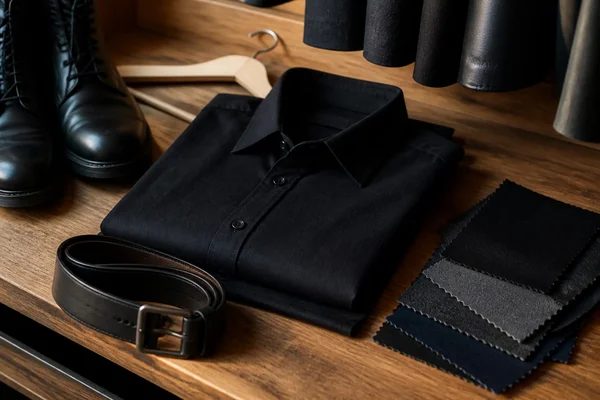
| Clothing and materials | Male kink clothing, male kink outfits, leather, latex, uniforms, underwear, formalwear | Is the appeal visual, tactile, identity-based, or linked to a scene? |
| Body-focused themes | Male belly kink, male weight gain kink, body hair, scent, size, lactation fantasy | Can this be explored without body shaming or pressure? |
| Control of orgasm or access | Male chastity kink, teasing, denial, rules, permission dynamics | Are limits, duration, hygiene, and emergency removal clear? |
| Reproductive or symbolic fantasy | Male breeding kink, pregnancy talk, ownership language, legacy themes | Is everyone clear about what is fantasy and what is real-life choice? |
| Queer and gay male kink scenes | Leather, pup play, cruising codes, D/s roles, body culture, gear | Am I learning community norms, safety language, and consent expectations? |
This is not an A to Z of kinks, and it is not a recommendation list. It is a map of common themes so you can name patterns more calmly. Some searches are also ambiguous or typo-heavy. Treat them as prompts to clarify what you mean, not as proof that you must fit a label.
Myths That Make Male Kink Exploration Harder
The first myth is that male kinks are mostly about being dominant. Many men enjoy dominance, but many also enjoy submission, service, softness, praise, objectification, restraint, or switching. Masculinity does not point in one direction.
The second myth is that a kink must be acted out to be real. Some people keep a kink as fantasy, writing, solo reflection, or private imagination. That can be a valid boundary. A fantasy may be exciting because it is not real life.
The third myth is that all "male sex kinks" are extreme. Common kinks for males can be as gentle as praise, eye contact, clothing, scent, role play, or being guided. Risk varies by activity, not by whether the interest is called kinky.
The fourth myth is that gay male kinks belong in a separate universe. Gay male kink culture has its own histories, codes, communities, and safety norms, but the emotional themes often overlap with other adult kink experiences: trust, display, power, belonging, sensation, and negotiated vulnerability.
The fifth myth is that a kink test for males can tell you who you are permanently. A questionnaire can help you notice patterns, but desire is contextual. Mood, partner trust, stress, age, experience, and community exposure can all change what feels interesting.
A Safer Self-Check Before You Explore
Before moving from curiosity to action, slow the process down. A structured BDSM self-reflection tool can help you sort interests into "curious," "maybe," "not for me," and "hard no," but the real work is noticing your reasons and limits.
Use this quick self-check:
- Interest: What exact image, role, material, sensation, or phrase attracts me?
- Meaning: Does it feel powerful, comforting, rebellious, intimate, validating, aesthetic, or taboo?
- Context: Would I want this solo, with a trusted partner, in a community space, or only as fantasy?
- Limits: What would make it feel unsafe, humiliating in the wrong way, painful, pressured, or emotionally off?
- Safety: What knowledge, gear, hygiene, signal, or aftercare would be needed?
- Consent: Who else is involved, and how would each person give, pause, change, or withdraw consent?
- Privacy: What should stay private, and what digital traces or images should not exist?
This self-check is especially important for restraint, pain, breath or pressure play, chastity devices, humiliation, body-change fantasies, and public or third-party scenarios. Some interests require education before experimentation. Some should stay fantasy because real-world safety, legality, or consent would be too complicated.

How to Talk About Male Kinks With a Partner
Many people delay the conversation because they fear rejection. The goal is not to make a partner accept everything. The goal is to share information without pressure and invite an honest response.
Start with a low-stakes frame: "I have been thinking about a fantasy, and I would like to talk about it without any expectation that we try it." This gives the other person room to listen.
Then name the emotional appeal before the activity. "The part that interests me is feeling trusted and guided," is often easier to hear than a sudden list of acts. If the interest involves male kink wear or an outfit, you might say, "I like the confidence and role shift I feel in this clothing," rather than presenting it as a demand.
Use a yes/no/maybe format. Each person can mark interests as yes, maybe with conditions, no for now, and hard no. Conditions matter. A "maybe" might depend on privacy, wording, duration, location, sobriety, relationship trust, or the option to stop instantly.
Finally, plan the after-conversation. Even if nothing happens, thank the other person for listening. If there is curiosity on both sides, choose a small, reversible first step. For a praise kink, that may be a few agreed phrases. For clothing, it may be trying an outfit privately. For power exchange, it may be a short role-play conversation with a clear stop signal.
When a Kink Needs Extra Caution
Some male kinks are low-risk in fantasy but higher-risk in practice. The risk is not a moral problem; it is a planning problem.
Use extra caution when a kink involves physical restraint, pain, breath, choking, gags, sharp objects, electricity, intoxication, public exposure, humiliation, body modification, body-size pressure, devices that restrict circulation, or anyone who has not clearly agreed to be part of the situation. For chastity, think about hygiene, sizing, release access, skin changes, and emergency removal. For breeding talk, separate fantasy language from contraception, STI prevention, pregnancy intentions, and real-life relationship choices. For body-focused interests such as belly, weight gain, or lactation themes, avoid pressure, mockery, and any expectation that another person should change their body for your arousal.
Emotional risk matters too. Shame, compulsive use, secrecy, trauma reactions, or conflict with values can make an interest stressful even when the fantasy itself is common. If a kink causes distress, harms relationships, or feels hard to control, a sex-positive licensed therapist can help you talk it through without shaming you.
Using Male Kinks as a Starting Point for Reflection
The healthiest way to approach male kinks is not to chase the most popular category. It is to build a vocabulary for what you notice. You might learn that your interest is really about trust. You might learn that a fantasy is better kept private. You might learn that a partner shares more curiosity than you expected. You might also learn that a popular term does nothing for you, and that is useful information too.
If you want a private next step, explore an anonymous kink preference quiz as a low-pressure way to compare interests, roles, and boundaries. Treat the results as a conversation starter with yourself first. Then, if another person is involved, move slowly, use plain language, respect every no, and keep consent active before, during, and after any shared exploration.

FAQ
What is the most popular male kink?
There is no single verified "most popular" male kink. Commonly discussed categories include BDSM power exchange, bondage, role play, praise, clothing or material interests, sensation play, chastity, and body-focused themes. Popularity also depends on age, culture, orientation, community, and whether people are answering privately or performing an online identity.
What is the A to Z of kinks?
An A to Z of kinks is usually a glossary that lists many interests alphabetically, from common ideas like bondage and role play to niche or fantasy-only terms. It can be useful for vocabulary, but it should not be treated as a checklist. The safer approach is to notice which themes create curiosity, which create discomfort, and which require more education.
What are the most popular kinks for Gen Z?
Online conversations among Gen Z often use more open language around praise, power exchange, role play, queer identity, clothing, and consent tools such as boundaries lists. That does not prove a reliable ranking. Younger users may simply have more public vocabulary for interests that older people kept private.
What is kinky for men?
Kinky for men can mean anything that adds consensual novelty, intensity, symbolism, sensation, or role play beyond a person's usual sexual pattern. For one man, that might be praise. For another, it might be submission, dominance, leather, chastity, being watched by a consenting partner, or a carefully negotiated fantasy.
Are gay male kinks different from other male kinks?
Some gay male kinks have distinct community histories, especially around leather, gear, cruising culture, D/s language, pup play, and queer spaces. Still, many core themes overlap with other adult kink experiences: consent, trust, role, vulnerability, sensation, and identity. The important step is learning the norms of the specific community you enter.
Is a male chastity kink or breeding kink always literal?
No. Chastity can be about control, teasing, service, ritual, or symbolic permission. Breeding talk can be fantasy language about possession, intensity, or intimacy without reflecting a real-life reproductive plan. Because these themes can affect bodies, contraception, STI prevention, and emotions, partners should be very clear about what is fantasy and what is real-world agreement.
Can a kink test for males tell me what I am?
A kink test can help you organize reactions and discover language, but it cannot define you permanently. Use it as a reflection tool, not a final identity label. Your interests can change with trust, experience, mood, partner dynamics, and personal growth.