Kink Extreme Guide to Exploring Intense Interests Safely
When people search for kink extreme topics, they are often trying to name a private curiosity without feeling judged by it. "Extreme" can sound dramatic, but in kink education it is more useful to treat the word as a signal for intensity, negotiation, risk awareness, and emotional readiness. A fantasy, a kink bingo extreme card, or a BDSM kink list can help you notice patterns, but it should never pressure you into trying anything before you understand your own limits. If you want a private starting point for reflection, a private BDSM preference test can give you language for roles, interests, and boundaries while keeping the result framed as exploration rather than a fixed identity.
What Does Kink Extreme Actually Mean
"Kink extreme" is not a formal category with one universal list. It usually describes interests that feel unusually intense to the searcher, involve higher levels of vulnerability, or require more planning than everyday sexual preferences. For one person, that may mean power exchange. For another, it may mean bondage, humiliation themes, taboo roleplay, or a fantasy that feels emotionally charged but should stay in imagination.
The important distinction is that intensity is personal. A practice can be common in one community and still feel intimidating to someone new. A fantasy can feel powerful without being something you want in real life. A kink can also be meaningful without being "hard," "nasty," or "crazy."
A helpful definition is this: an extreme kink is an adult interest that deserves extra reflection because it carries stronger physical, emotional, relational, social, or consent-related stakes.
It also separates kink from fetish. A kink is a nontraditional interest, activity, dynamic, or fantasy that may add excitement. A fetish is often more focused on a specific object, material, body part, or situation that plays a central role in arousal. Many people use the words casually, and the boundary is not always sharp. What matters most is how the interest works for you, how much you need it, and what kind of care it requires.
Why Some Kinks Feel More Intense Than Others
Kinks can feel extreme for several different reasons. Physical risk is the most obvious one, especially when an activity involves restraint, impact, air restriction, sharp sensations, substances, or specialized equipment. Those areas require education, sober judgment, and often direct instruction from experienced adults before anyone considers real-world play.
Emotional intensity is just as important. A scene that involves embarrassment, obedience, control, or taboo language may look simple from the outside while carrying deep meaning for the people involved. If a theme touches fear, shame, trauma, identity, or relationship insecurity, it deserves slow conversation and clear boundaries.
Social risk matters too. Some people are comfortable with private fantasy but not with community spaces, photos, public disclosure, or labels. Others may enjoy reading about popular fetishes, weird kinks, or BDSM extreme dynamics but prefer to keep their own exploration quiet. Privacy is not avoidance; it is a valid boundary.
Finally, novelty can make something feel bigger than it is. A person new to BDSM may find a basic dom/sub dynamic intense because the language is unfamiliar. Someone experienced may find the same idea gentle but treat other areas as hard limits. The point is to understand intensity in context.
A Consent-First Filter for Extreme Kinks
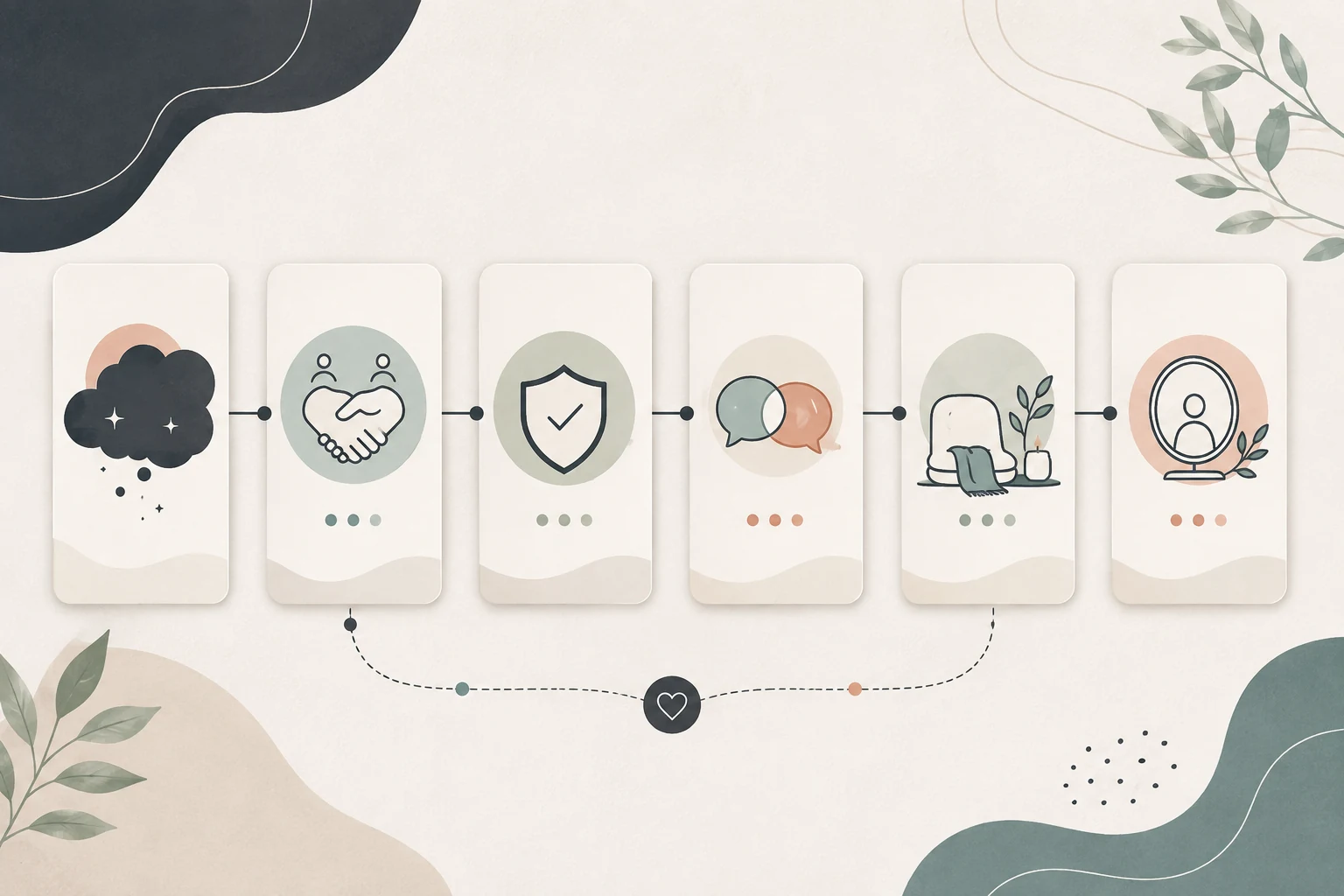
Before any intense interest moves from fantasy to conversation or action, run it through a consent-first filter. This is where an anonymous BDSM self-reflection tool can be useful: not because it tells you what to do, but because it can help you organize preferences, roles, and limits before you speak with someone else.
Use these five questions as a first pass:
- What exactly interests me: the sensation, the role, the power dynamic, the taboo feeling, the object, or the story?
- Do I want this in real life, or is it safer and more satisfying as fantasy, writing, media, or private imagination?
- What are my hard limits, soft limits, and unknowns?
- What physical, emotional, privacy, or relationship risks would need planning?
- What aftercare, check-in, or recovery would help everyone feel grounded afterward?
If you cannot answer those questions yet, that is not failure. It is useful information. Some ideas need more reading. Some need a class, a mentor, a trusted community resource, or professional support. Some should remain fantasy because the real-life risk is not acceptable. Wanting something privately does not obligate you to perform it.
Consent also has to be specific. "I am open to BDSM" is not the same as agreeing to a particular act, role, intensity level, duration, setting, or emotional tone. For high-intensity interests, consent should include what is allowed, what is off-limits, how either person can pause, what words or signals mean, and what happens afterward.
How to Use a Kink Bingo Extreme Card or Template
A kink bingo extreme card can be a playful way to sort curiosity, but it works best when you treat it as a private reflection worksheet, not a dare. The goal is not to fill every square. The goal is to notice which ideas belong in different categories.
Try building a kink bingo extreme template with five columns:
| Category | What It Means |
|---|---|
| Curious | You want to learn more before deciding. |
| Fantasy Only | The idea is interesting in imagination, not real life. |
| Maybe With Conditions | You would need trust, planning, and clear limits. |
| Soft Limit | You are not ready now, but the boundary could change. |
| Hard Limit | You do not want this and do not need to justify it. |
Instead of writing graphic details, use broad labels such as "control," "restraint," "service," "humiliation themes," "sensory play," "roleplay," "ritual," "voyeuristic fantasy," "object focus," or "pain-adjacent curiosity." Keep the wording comfortable enough that you could review the card without feeling flooded or exposed.
If you use the card with a partner, compare categories rather than negotiating from a blank page. A match in "curious" is not permission. A match in "maybe with conditions" means the real discussion has only begun. A mismatch is not rejection; it is boundary information. The template should make communication easier, not push anyone past comfort.

Red Flags That an Extreme Kink Needs More Care
Some interests are not wrong simply because they are unusual. Still, certain signals mean you should slow down.
Pause when the idea depends on surprise, pressure, intoxication, secrecy from an involved partner, or unclear consent. Pause when you feel unable to say no, or when someone treats your hesitation as something to overcome. Pause when the activity could affect breathing, circulation, skin integrity, mental health, privacy, finances, employment, or legal safety. Pause when you are using kink to avoid a necessary conversation about trust, resentment, jealousy, or unresolved hurt.
Also pause when the only information you have comes from porn clips, fantasy fiction, forums, or a dramatic fetish list. Entertainment can inspire curiosity, but it is not a safety manual. Real people need preparation, communication, and care that edited media rarely shows.
Green flags look different. A safer conversation includes patience, plain language, room for embarrassment, respect for limits, and the ability to laugh gently when something feels awkward. A safer partner welcomes a no, accepts a maybe as a maybe, and does not punish you for changing your mind.
Talking About Kinks Without Shame
The best time to talk about intense kink ideas is usually outside a sexual moment, when nobody is trying to keep a mood going. Choose a private, ordinary setting. Start with curiosity rather than demand.
You might say, "I have been thinking about a power dynamic, and I am not asking to do anything yet. I would like to talk about what it means to me." Or, "I found a few kink examples that made me curious, but I want to sort fantasy from real-life interest before we decide anything." Language like that gives the other person space to respond honestly.
Good conversations also include emotional context. You can share whether the interest feels playful, intense, comforting, taboo, aesthetic, spiritual, sexual, or identity-related. You can also name uncertainty. "I do not know yet" is a strong sentence. It keeps exploration honest.
If your partner reacts with discomfort, try not to force immediate reassurance. They may need time. You may need time too. Kink communication works best when everyone can move at a pace that protects trust.

Use Kink Extreme Curiosity as a Reflection Tool
The healthiest use of kink extreme content is not to chase the most shocking idea. It is to understand what intensity reveals about desire, control, trust, imagination, and boundaries. Your interests may point toward a BDSM role, a fetish pattern, a communication need, a fantasy style, or simply a passing curiosity. None of those outcomes has to become a permanent label.
For a simple next step, make three lists: "I want to understand," "I might discuss someday," and "I do not want in real life." Add any kink ideas, BDSM kinks, sex fetishes, taboo themes, or unusual fantasies that have been on your mind. Then mark each one with a comfort level from one to five. This turns a vague search into a grounded map.
You can also revisit your map over time. Preferences change as people gain experience, build trust, leave relationships, enter new ones, read more, or simply know themselves better. A free kink preference test can support that reflection by giving you a vocabulary for patterns, but your consent, values, and lived comfort matter more than any result.
Kink exploration should leave you with more self-knowledge, not less. If an interest makes you feel curious, calm, and respected, it may deserve thoughtful learning. If it makes you feel pressured, unsafe, or disconnected from your own voice, slow down. Your boundaries are part of your sexuality too.
FAQ
Is kink extreme the same as BDSM extreme
Not exactly. BDSM extreme usually points to intense power exchange, sensation, restraint, or role dynamics within BDSM. Kink extreme can be broader and may include fantasies, fetishes, taboo themes, or non-BDSM interests that feel unusually intense to the person searching.
Are extreme kinks always unsafe
No. An unusual interest is not automatically unsafe or unhealthy. Risk depends on the activity, the people involved, the context, preparation, consent, and aftercare. Some ideas require advanced education or should remain fantasy, while others may be low risk when discussed carefully by consenting adults.
What is the difference between a kink and a fetish
A kink is a nontraditional interest, dynamic, activity, or fantasy that adds excitement. A fetish is often more focused on a specific object, body part, material, or situation that plays a central role in arousal. People use the terms loosely, so personal meaning matters.
Can a kink bingo extreme card help beginners
Yes, if it is used as a reflection tool rather than a challenge. Beginners can sort ideas into curious, fantasy only, maybe with conditions, soft limit, and hard limit categories. That makes later conversations clearer and less pressured.
Should I try a kink just because it appears on a list
No. A BDSM list, fetish list, or kink bingo template is only a menu of ideas. It is not an assignment. You can read about something, feel curious, and still decide it is not right for real life.
How do I bring up an extreme kink with a partner
Choose a calm moment outside sex, explain that you want to talk before doing anything, and name your uncertainty clearly. Ask for their thoughts, invite questions, and make it easy for either person to say no or pause the discussion.
Can my kink interests change over time
Yes. Preferences can shift with experience, trust, relationships, stress levels, education, and self-understanding. A change does not make your earlier interests fake. It simply means your map is evolving.