BDSM Life: What It Means in Real Relationships and Daily Choices
For many adults, the phrase bdsm life sounds mysterious, intense, or even impossible to define. In real relationships, it usually means something much more ordinary and more thoughtful: a set of negotiated preferences, roles, rituals, boundaries, and communication habits that may shape sexuality, intimacy, trust, or identity. It does not have to mean living in a constant scene, giving up everyday autonomy, or copying someone else's version of a lifestyle. If you are curious about where your interests fit, a private BDSM preference test can be a gentle starting point for reflection rather than a final label.

What BDSM Life Actually Means
BDSM life is not one fixed identity. It can describe someone who keeps kink private and occasional, a couple who uses power exchange as one part of their relationship, or a person who treats BDSM roles as a meaningful part of self-expression. The important point is that the word "life" does not automatically make the practice extreme. It simply suggests that BDSM may have a place beyond a single fantasy.
That place can be emotional, relational, aesthetic, educational, or sexual. Some people connect with structure and ritual. Some enjoy the psychological contrast of dominance and submission. Some are interested in bondage, sensation, service, role play, or aftercare. Others mostly want language that helps them talk about desire without shame.
A healthy BDSM life is built through consent, clarity, and ongoing choice. It should leave room for ordinary work, friendships, rest, privacy, health needs, and changing preferences. If a dynamic makes someone feel unable to pause, disagree, or renegotiate, it has moved away from the values that make kink safer and more respectful.
BDSM Lifestyle vs Bedroom Kink
Searches like BDSM life style, BDSM sex life, and real life BDSM often point to the same uncertainty: is this a private bedroom interest, or a broader way of relating? The answer depends on the people involved.
Bedroom kink usually means BDSM appears in planned scenes or sexual play, with a clear beginning and ending. A couple might negotiate a rope scene, use honorifics during intimacy, or explore sensation play, then return to ordinary interaction afterward. This can be deeply meaningful without becoming a whole relationship structure.
A BDSM lifestyle, by contrast, may include ongoing rituals, role language, service agreements, check-ins, or power exchange outside explicit scenes. Even then, the dynamic still needs practical limits. Real adults have jobs, bills, families, fatigue, medical needs, and moods. A lifestyle dynamic that ignores daily reality is not more authentic; it is just less sustainable.
Neither approach is superior. Some people feel most grounded when kink stays occasional. Others feel more themselves when a role or dynamic has a regular place in daily life. The useful question is not "Which version is real?" but "Which version is consensual, workable, and kind to the people in it?"
The Core Skills Behind Real Life BDSM
The strongest BDSM life is rarely about having the most dramatic rules. It is usually about practicing a few relationship skills with unusual honesty. These skills matter whether someone is curious, experienced, dominant, submissive, switch, pet, rope-focused, service-oriented, or mostly unsure.
First comes consent. Consent should be informed, specific, freely given, and reversible. It is not a one-time permission slip. It is an ongoing conversation about what is welcome, what is off limits, and what needs more discussion.
Second comes communication. Many people learn to name desires more carefully through kink because vague hints are not enough. You may need to say what you want, what you fear, what language feels good, what intensity is too much, and what kind of support helps afterward.
Third comes boundaries. Boundaries are not obstacles to intimacy; they are what make intimacy safer to approach. A boundary can be physical, emotional, practical, social, financial, digital, or time-based. It can also change.
Fourth comes aftercare. Aftercare is the transition back into everyday steadiness after intensity. It may involve water, quiet, reassurance, physical comfort, space, journaling, or a next-day check-in. It is not only for submissive partners. Dominant partners, switches, and anyone who participates in intensity can need support too.
If you want structured language for exploring roles without pressure, an anonymous kink reflection tool can help you notice patterns before you bring them into a conversation.
How BDSM Can Fit Daily Life Without Taking It Over
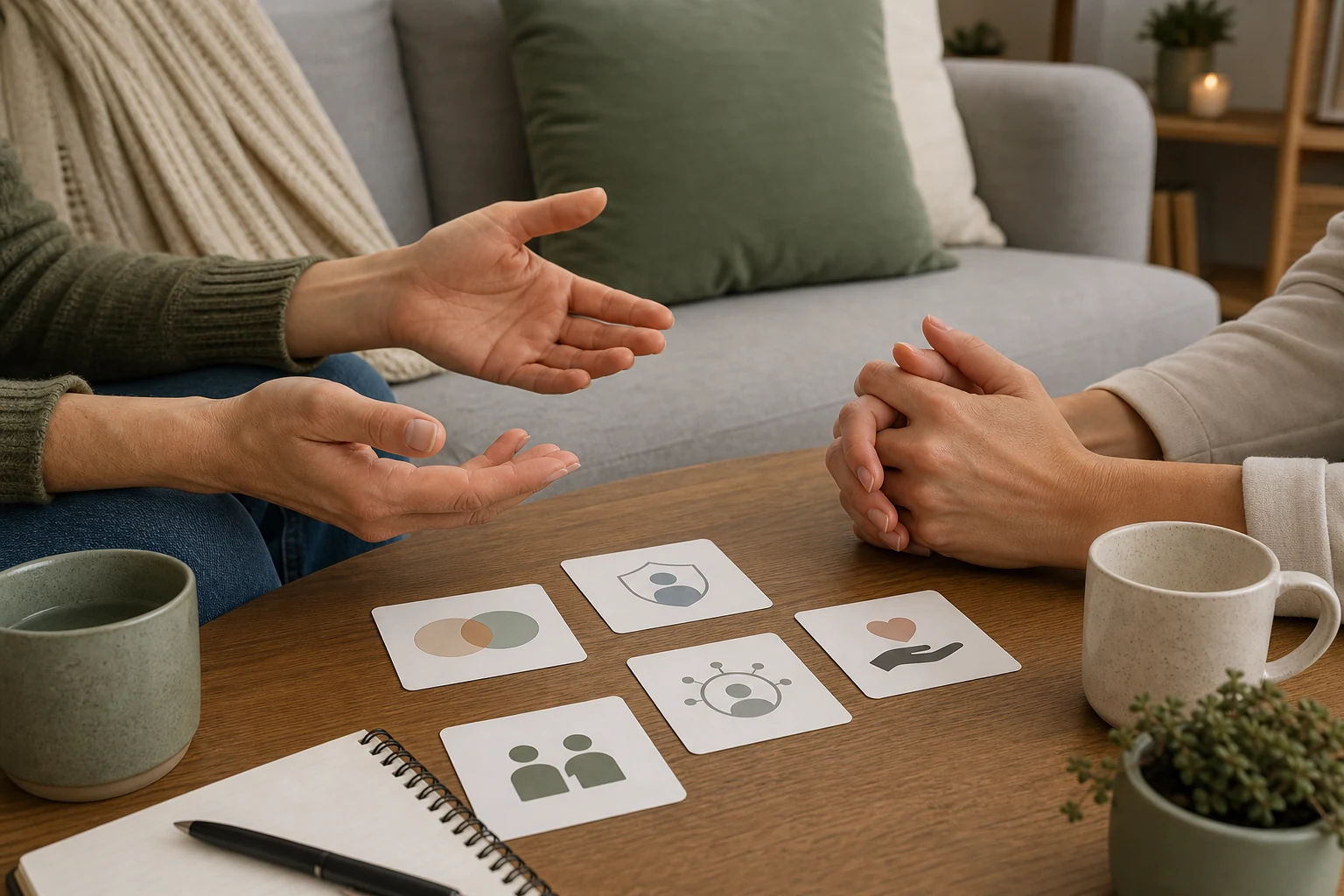
BDSM daily life does not have to be theatrical. For many people, it is subtle. It might mean a weekly check-in, a shared journal, a small ritual before intimacy, a negotiated form of address in private, or a clear agreement about when kink language is welcome and when it is not.
Privacy is part of the structure. Not everyone wants friends, relatives, coworkers, or online communities to know about their kink interests. A respectful BDSM life makes room for discretion. Partners can agree on what remains private, what can be shared anonymously, and what should never be posted or discussed outside the relationship.
Time boundaries matter too. A person might enjoy service, control, or obedience in one context but not while exhausted, working, parenting, studying, or recovering from stress. Separating scene time from ordinary life can protect both the dynamic and the relationship.
Digital boundaries are increasingly important. If partners use messages, shared notes, photos, apps, or online communities, they should discuss storage, deletion, screenshots, consent to share, and what happens after a breakup. Trust is not only emotional; it is also practical.
The daily-life version of BDSM is strongest when it feels integrated, not consuming. It should add clarity, pleasure, play, or meaning. It should not erase someone's ability to be a full person outside a role.
Understanding BDSM Slave Life and Power Exchange Carefully
Keywords such as BDSM slave life, life as a BDSM slave, and real life BDSM slave can attract confusion because the language is intense. In consensual adult BDSM, "slave" is a role or identity within an agreed power-exchange dynamic. It is not the same as coercion, abuse, or loss of legal personhood. The person in the role remains an adult with rights, limits, needs, and the ability to stop or renegotiate.
Some people use Master, Mistress, slave, owner, pet, handler, or similar language because it captures a psychological or relational feeling. Others avoid those words entirely. The words themselves are less important than the agreements behind them.
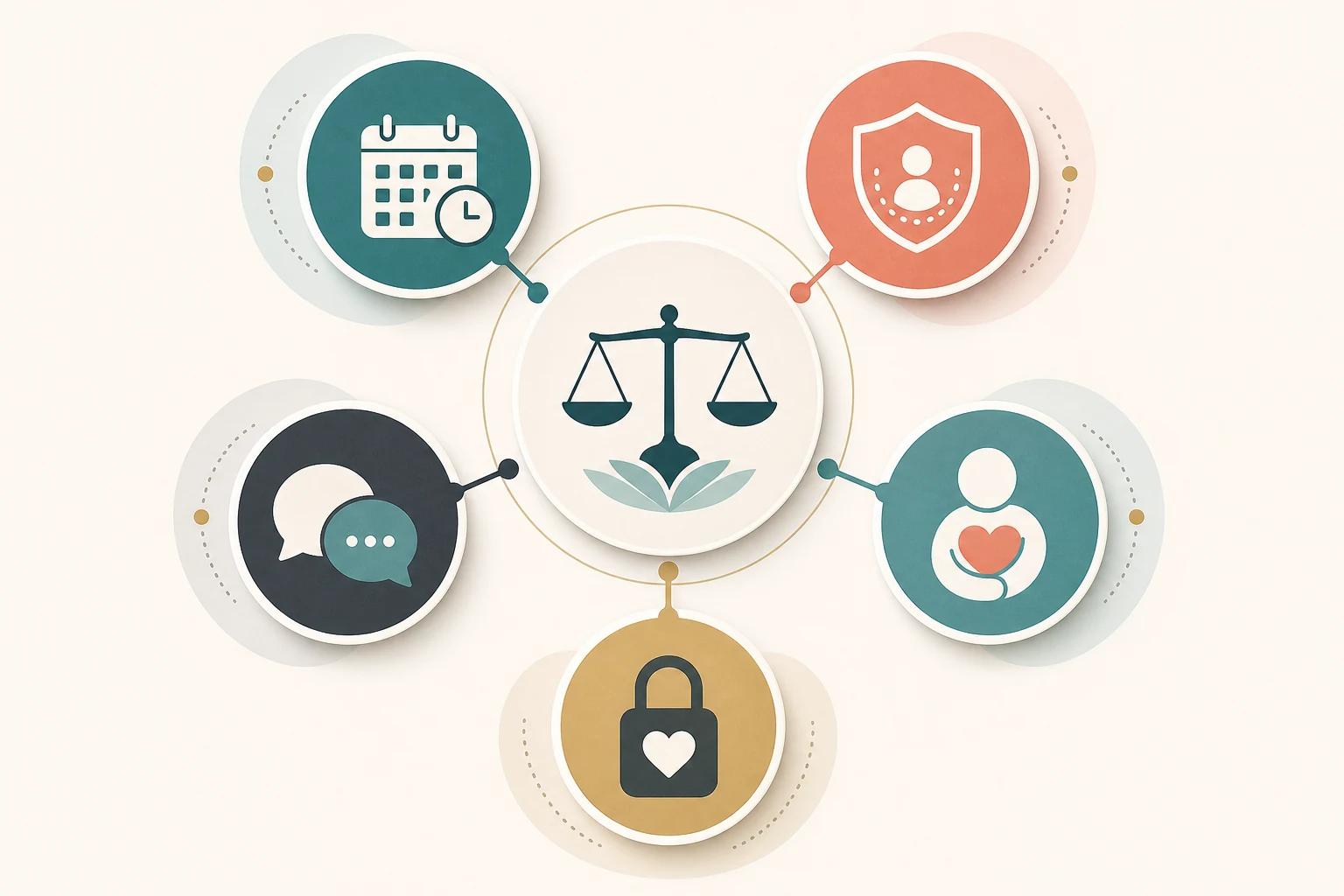
Responsible power exchange should answer practical questions. What authority is being exchanged? When does the role apply? What is never included? How are safe words or pause signals used? What happens if someone is sick, overwhelmed, traveling, working, or emotionally unavailable? How often do partners review the dynamic?
A 24/7 dynamic, where role structure is present across much of daily life, needs even more care. It should include explicit exceptions, privacy rules, health accommodations, money boundaries, social boundaries, and exit plans. The more a dynamic touches daily responsibilities, the more clearly it should be negotiated.
No one has to choose a high-protocol relationship to have a meaningful BDSM life. A small, well-communicated dynamic can be healthier than an elaborate structure that people cannot maintain.
A Practical Reflection Checklist
Before bringing BDSM into daily life, it helps to slow down and write out what you actually mean. The following prompts can support self-reflection or a partner conversation:
- What parts of BDSM interest me: roles, sensation, bondage, service, discipline, ritual, language, or emotional contrast?
- Do I want this only during scenes, during sex, in private daily routines, or as a broader relationship structure?
- What would make the experience feel safer, more respectful, and more enjoyable?
- What are my hard limits, soft limits, curiosities, and topics that need research first?
- What kind of aftercare or follow-up helps me feel grounded?
- What privacy rules do I need for messages, photos, community spaces, and public life?
- How will I communicate a pause, a change of mind, or a need to renegotiate?
This checklist is not a contract. It is a conversation opener. The answers may shift as you learn more about yourself, your partner, and the difference between fantasy and lived experience.
Build a BDSM Life That Stays Curious and Grounded
A sustainable bdsm life is not about proving that you are "BDSM enough." It is about building a relationship to desire that is honest, adult, flexible, and safe enough to keep evolving. Some people discover that kink belongs only in occasional scenes. Some find that role language helps them feel seen. Some realize that the fantasy is interesting, but the real-life structure is not right for them. All of those outcomes can be valid.
Move slowly. Keep consent active. Treat boundaries as useful information. Review agreements before resentment builds. Make aftercare ordinary. Leave space for humor, awkwardness, and revision. If a tool helps you organize your thoughts, use it as a mirror, not a verdict; a BDSM self-reflection resource can support that process without replacing your own judgment or professional support when personal safety, trauma, or mental health concerns are involved.
FAQ
What does BDSM life mean?
BDSM life means that BDSM interests, roles, values, or communication habits have some meaningful place in a person's life or relationship. It may be private and occasional, or it may be part of an ongoing negotiated dynamic. It should always be consensual, adult, and open to change.
Is BDSM life the same as a 24/7 relationship?
No. A 24/7 dynamic is one possible form of BDSM life, but it is not the default. Many people explore BDSM only during planned scenes, private intimacy, or occasional role play. A broader dynamic requires extra negotiation because it touches more parts of daily living.
Can BDSM improve a relationship?
It can help some adults communicate more clearly about desire, limits, trust, and care. That does not mean it is right for every relationship. BDSM can add connection when all participants want it, understand the risks, and feel free to pause or revise agreements.
What is the difference between kink and fetish in daily life?
Kink is a broad word for nontraditional sexual or relational interests. A fetish usually refers to a stronger focus on a specific object, body part, material, or scenario. In daily life, either can be occasional, private, central, or simply one part of a larger identity.
How do real life BDSM couples set boundaries?
Many couples use direct conversation, written lists, safe words, check-ins, and aftercare routines. They may discuss hard limits, soft limits, privacy, digital safety, emotional triggers, health needs, and what to do if a scene or agreement stops feeling right.
Is a BDSM preference test enough to define my role?
No single test should define your role permanently. A preference test can give you language, patterns, and questions to consider, but your lived experience, boundaries, relationships, and changing comfort level matter more than any score.
When should someone seek outside support?
If kink exploration brings up trauma, fear, pressure, relationship conflict, or concerns about personal safety, it can help to speak with a qualified professional or a trusted support resource. Educational content is not a substitute for individualized care.