BDSM Kinks Explained: A Comprehensive List and How to Discover Yours
Exploring human desires can sometimes feel intimidating, especially when those desires exist outside of conventional, mainstream norms. However, questioning and exploring your sexual and psychological boundaries is incredibly common, healthy, and natural. For many, this exploration leads them to wonder about the vast and surprisingly nuanced world of bdsm kinks.
Whether you are trying to understand a sudden fantasy, looking for ways to safely spice up a long-term relationship, or simply curious about an acronym you saw trending online, you have come to the right place. In this safe, judgment-free guide, we will provide a clear, educational breakdown of common kinks and offer a private, expert-designed path to true self-discovery.
What Does BDSM Stand For and What Exactly Are Kinks?
Before diving into a comprehensive bdsm kink list, it is essential to understand the foundational terminology. BDSM is an umbrella acronym that encompasses a wide variety of consensual erotic practices surrounding power dynamics and physical sensation. It stands for:
- B/D: Bondage and Discipline
- D/s: Dominance and submission
- S/M: Sadism and Masochism
A "kink" is a broad umbrella term used to describe any non-conventional sexual practice, fantasy, or intimate preference. It is simply a unique flavor of desire that falls outside the standard "vanilla" definition of sex.
Kink vs. Fetish: Understanding the Difference
These two terms are often used interchangeably in pop culture, but there is a distinct psychological difference. A kink refers to an activity, behavior, or dynamic that enhances your sensory or emotional experience—it makes an intimate encounter more exciting. A fetish, however, usually refers to a specific object, body part, or material (like feet, leather, or latex) that is strictly required for a person to experience sexual arousal or achieve climax.
The Core Elements: What Are the Most Common BDSM Kinks?
Because human imagination is limitless, the world of kinks bdsm is incredibly vast. However, most practices naturally fall under a few core categories. Here is a look at the most common elements.
Dominance and Submission (D/s): The Power Exchange
At the heart of many BDSM dynamics is the consensual exchange of power. The Dominant (or Dom) takes control, while the submissive (or sub) willingly surrenders it. This dynamic is profoundly psychological rather than just physical. For many submissives, the primary appeal lies in letting go of the stress of daily decision-making. For Dominants, the pleasure comes from the deep responsibility and intimacy of guiding, protecting, and caring for their partner.
Bondage and Discipline (B/D): Restraint and Rules
Bondage involves the precise, safe use of restraints—such as soft ropes, handcuffs, or silk ties—to physically restrict a partner's movement. This kink profoundly triggers intense feelings of vulnerability, trust, and ultimate surrender. Discipline involves the explicit establishment of rules by the Dominant and the consensual administration of punishments (often impact play) if those rules are broken, adding an exciting structure to the fantasy.
Sadism and Masochism (S/M): Sensation and Intensity
Often the most misunderstood aspect of BDSM, S/M is absolutely not about random violence or abuse; it is about the carefully negotiated, consensual exchange of intense sensation. A sadist derives sexual pleasure from inflicting physical or psychological intensity, while a masochist deeply enjoys receiving it. This feeling is not always "pain" in the negative sense; the rush of endorphins and adrenaline can turn stinging sensations into profound, transcendent pleasure.
Roleplay and Fantasy: Stepping Outside Yourself
Roleplay allows partners to temporarily adopt different personas and dynamic structures to safely explore taboo scenarios. Common roleplays include teacher/student dynamics, boss/employee interactions, or even adopting the mindset of an animal (such as in pup play). It allows individuals to act out deep-seated desires without real-world consequences or judgments.
The Golden Rules: How Do You Safely Explore BDSM Kinks?
What definitively separates healthy, thrilling bdsm kink exploration from abuse is the absolute necessity of enthusiastic consent. Professional practitioners, sex educators, and hobbyists alike adhere to a few vital, non-negotiable rules:
- SSC (Safe, Sane, Consensual): Every activity must be physically safe, approached with a sound, sober state of mind, and mutually and enthusiastically agreed upon.
- Safe Words: Because a submissive may be roleplaying resistance (consensual non-consent), a predetermined "safe word" (like "Red" for stop immediately, or "Yellow" for slow down/check in) is mandatory to instantly halt the scene if real discomfort occurs.
- Aftercare: This is the crucial period immediately following a BDSM scene where partners cuddle, hydrate, and emotionally reconnect to ensure both feel safe, grounded, and loved after an intense psychological or physical drop.
How Do You Determine Your Unique BDSM Persona?
Understanding the textbook definitions is the first step, but how do you actually know where you fit in? Should you be a Dominant, a submissive, or perhaps a flexible "switch" (someone who enjoys both giving and receiving control)? Exploring these profound questions with a partner can be daunting, especially if you aren't sure exactly what you want yet.
Before attempting to navigate these complex waters blindly, many people benefit greatly from taking a structured, psychologically grounded bdsm kink test.
Reading a list is one thing, but exploring your own mind is another. Take our private, expert-designed test to discover your unique BDSM persona today.
Why Should You Take a Judgment-Free BDSM Kink Test?
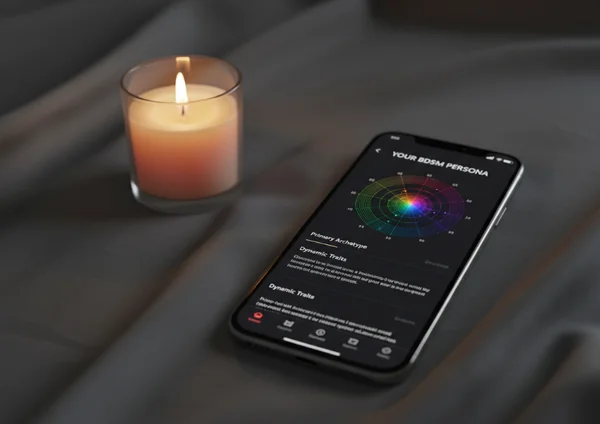
At BDSMTest.online, we deeply understand that discovering your most intimate desires requires immense vulnerability. That is why our comprehensive kink test bdsm was carefully developed by sex-positive experts, psychologists, and highly experienced practitioners to provide a completely safe, private, and judgment-free environment.
By thoughtfully answering a series of carefully crafted statements on a simple scale, you can safely map out your physical boundaries and psychological interests. The resulting personalized analysis report will not only reveal your core BDSM persona but also expertly equip you with the specific vocabulary needed to communicate your desires clearly and confidently with an intimate partner. Let your curiosity lead to profound connection.
Step into a judgment-free zone. Uncover your deepest desires and dramatically improve your intimate communication with our comprehensive analysis.
Discover Your True Inner Self Now
Frequently Asked Questions
Is it normal to have a BDSM kink?
Absolutely. Extensive psychological research shows that a vast majority of healthy adults entertain BDSM-related fantasies. Exploring power dynamics, heightened sensation, and roleplay in a consensual setting is a completely normal, healthy, and increasingly mainstream aspect of human sexuality.
Does having a submissive kink mean I am submissive in real life?
Not at all. In fact, many high-powered executives, CEOs, and natural leaders profoundly enjoy being submissive in the bedroom. Because they have to make difficult, stressful decisions all day at work, the act of consensually surrendering control in a safe, intimate environment provides immense psychological relief and balance.
Can my BDSM kinks change over time?
Yes, human sexuality is incredibly fluid. What you desire in your twenties may differ vastly from what excites you in your forties. A person who starts out strictly submissive may later discover a potent desire to Dominate, naturally evolving into a "switch." Regularly reassessing your boundaries is a healthy, exciting part of long-term intimacy and personal growth.