BDSM Forced Orgasm: Consent, Safety, and What It Really Means
A BDSM forced orgasm can sound confusing because the phrase uses a word that usually means pressure or coercion. In a healthy kink context, though, it refers to negotiated orgasm control between adults who have clearly agreed to the scene before it begins. The fantasy may involve surrender, intensity, teasing, or the appearance of being overwhelmed, but real consent remains in charge the whole time. If you are exploring whether orgasm control, dominance, submission, or power exchange interests you, a private BDSM preference self-reflection tool can help you name curiosities before you discuss them with anyone else.

What a BDSM Forced Orgasm Actually Means
In BDSM, a forced orgasm is usually a form of consensual orgasm control. One partner gives another partner permission to guide, delay, intensify, or continue stimulation around orgasm within limits they have already discussed. The word "forced" describes the role-play feeling of losing control, not a right to ignore someone's real boundaries.
That distinction matters. A consensual scene is planned, reversible, and accountable. A non-consensual experience is harm. Orgasm is a body response, not proof that someone wanted something, enjoyed it, or agreed to it. If an experience happened without freely given consent, it should not be reframed as kink just because the body reacted.
For readers who are simply curious, the safest starting point is vocabulary. Forced orgasm may overlap with power exchange, orgasm control, teasing, denial, overstimulation, consensual non-consent fantasy, or service-oriented dynamics. It does not require any one gender, role, toy, anatomy, or relationship style. What makes it BDSM is not a specific technique; it is the intentional structure of consent, control, communication, and care.
Consent Is the Line That Changes Everything
Consent is not a single yes buried somewhere at the beginning of a conversation. For intense kink, it is an ongoing agreement that includes who is involved, what kind of play is on the table, what is off-limits, what words mean, and how the scene will stop.
Before anyone tries forced orgasm BDSM play, the conversation should cover:
- What each person wants from the scene: surrender, control, endurance, praise, teasing, role-play, closeness, or something else.
- Hard limits that are never allowed.
- Soft limits that require caution, slower pacing, or extra check-ins.
- A safe word or signal that clearly stops the scene.
- A pause signal for "slow down, check in, or change course."
- Aftercare needs, including privacy, touch, water, quiet, reassurance, or space.
This is also where self-knowledge helps. If you are unsure whether the appeal is submission, control, intensity, taboo language, sensory play, or being guided by a trusted partner, an anonymous BDSM role test can give you neutral language for the conversation. It should not decide anything for you, but it can make the first discussion less vague.
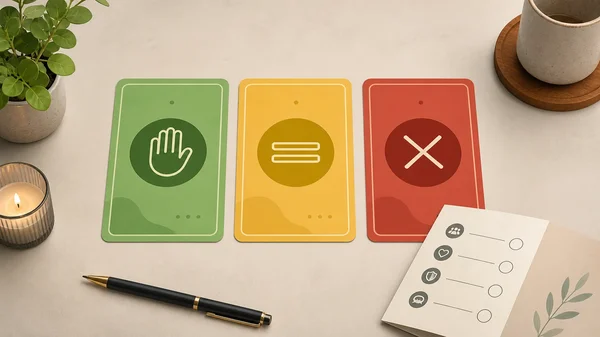
Safe words deserve special attention. In some role-play scenes, words like "no" or "stop" may be part of the fantasy script. That means the real stop signal must be something separate and unmistakable. Many people use traffic-light language: green means continue, yellow means slow down or adjust, and red means stop immediately. Nonverbal signals matter too, especially if speech may be difficult during intense sensation.
Why Some People Are Curious About Forced Orgasms BDSM
People are drawn to forced orgasms BDSM for different reasons. Some like the emotional experience of surrendering control while still knowing their real boundaries are respected. Some enjoy dominance expressed as careful attention: noticing breath, tension, timing, and comfort. Others are curious about overstimulation, repeated arousal cycles, or the feeling of being "made" to respond inside a carefully agreed scene.
For the receiving partner, the appeal may be psychological as much as physical. The scene can create a temporary container where they do not have to perform confidence, initiate, or decide what happens next. For the guiding partner, the appeal may be responsibility, focus, service, or the pleasure of creating a powerful experience for someone who has trusted them.
None of these interests are universal. Some people find the idea exciting, some find it neutral, and some dislike it completely. All of those responses are valid. A kink is not more advanced because it is intense, and a person is not less open-minded because a specific practice does not appeal to them.
It is also worth separating fantasy language from real-world behavior. A person may enjoy the phrase "forced orgasm" in erotica or fantasy but not want to try it physically. Someone else may like orgasm control but dislike humiliation, restraint, or pain. Specificity is kinder than assumptions.
Boundaries to Discuss Before Any Scene
A clear negotiation can be simple, but it should not be rushed. The goal is not to remove mystery from the experience; it is to remove avoidable confusion. If the scene involves orgasm control, the receiving partner should be able to describe what sensations are welcome, what becomes too intense, and what signs mean they need a pause.
Useful questions include:
- Do you want the scene to focus on control, praise, teasing, endurance, or emotional surrender?
- Is repeated orgasm part of the fantasy, or is one guided orgasm enough?
- Are restraints, blindfolds, toys, dirty talk, or role-play included or excluded?
- What words feel exciting, and what words feel upsetting?
- What physical sensations are off-limits?
- What should the guiding partner do if the receiving partner freezes, goes quiet, laughs, cries, or seems far away?
- What kind of aftercare feels supportive afterward?
The best answer to these questions may be "I do not know yet." That is not a problem. It simply means the first step should be conversation, solo reflection, or lower-intensity play rather than a demanding scene.
Pacing is a boundary too. A first exploration does not need elaborate gear or dramatic intensity. Many people learn more from a short, low-pressure experiment with frequent check-ins than from trying to imitate a fantasy all at once. Start with less, review honestly, and only add complexity when everyone still feels respected.

Safety, Overstimulation, and Refractory Periods
Forced orgasm scenes often involve intensity, so safety needs to include both body and mind. Overstimulation can feel pleasurable, uncomfortable, tender, emotional, or too much. A person can enjoy a sensation at first and later need it to stop. That change is not failure; it is information.
Refractory periods also vary. Many people with penises need time after ejaculation before arousal or orgasm is possible again. Some people with vulvas can experience multiple orgasms close together, while others cannot or do not want to. Gender does not give a reliable rule. Anatomy, arousal, medication, stress, hormones, fatigue, hydration, mood, and personal wiring can all matter.
Because forced orgasms can include the idea of "keep going," partners need an agreed way to tell the difference between role-play resistance and real distress. Watch for sudden silence, panic, numbness, shaking, dissociation, pain that was not negotiated, or a person trying to leave the situation. If there is doubt, stop and check in. A respectful stop builds trust; pushing through uncertainty breaks it.
Aftercare should be planned before the scene, not invented while someone is overwhelmed. Common aftercare options include water, a blanket, quiet conversation, cuddling, a shower, food, reassurance, journaling, or time alone. The guiding partner may need aftercare too, especially if they carried a lot of responsibility during the scene.

A Simple Communication Script
If you want a practical starting point, try a conversation that stays plain and non-performative:
"I have been reading about BDSM forced orgasm as a consensual orgasm-control fantasy. I am curious about the control aspect, but I only want to discuss it if you are comfortable. Would you be open to talking about what parts sound interesting, what parts do not, and what boundaries would need to be in place?"
If the answer is no, accept it without bargaining. If the answer is maybe, keep the discussion exploratory. You might each name three categories: yes, no, and unsure. The "unsure" category is not a loophole; it is a reason to slow down.
You can also create a mini checklist:
- Scene goal: What feeling are we trying to create?
- Limits: What is not allowed?
- Signals: What means pause, slow down, and stop?
- Intensity: What is the maximum level we want today?
- Care: What happens afterward?
- Review: When will we talk about what worked?
This kind of structure may seem unromantic at first, but many people find that it creates more freedom. When everyone knows where the edges are, the scene can feel more relaxed, playful, and connected.

When Not to Try Forced Orgasm Play
Do not try a forced orgasm scene when someone feels pressured to prove trust, please a partner, save a relationship, or act out a fantasy they do not genuinely want. Avoid it when alcohol or drugs make clear consent harder. Pause if either person is angry, emotionally flooded, sleep deprived, physically unwell, or unable to stop without shame.
It is also wise to avoid intense orgasm control if either person is using it to test loyalty, override jealousy, punish a partner, or recreate a frightening experience without support. Kink can be meaningful and healing for some people, but it is not a substitute for therapy, medical care, or crisis support.
If a past sexual experience was non-consensual or confusing, professional support from a qualified clinician, advocate, or local crisis resource may be appropriate. You deserve care that centers your safety and choices. You do not have to label an experience before seeking support.
Using Curiosity as a Safer Starting Point
The healthiest way to approach bdsm forced orgasm is as a topic to understand before it is a scene to attempt. Read, reflect, talk, and be honest about what the fantasy is actually about. Is it surrender? Being desired? Control? Endurance? Trust? Praise? Relief from decision-making? The answer can point you toward safer, more specific conversations.
If you are still mapping your interests, an adult kink self-discovery guide can help you explore role language privately before bringing it into partner negotiation. Treat any result as a prompt, not a verdict. Your boundaries can change, your preferences can evolve, and your "no" remains valid even after a previous "yes."
BDSM forced orgasm only belongs inside informed, enthusiastic, adult consent. When the real agreement is strong, the fantasy can safely play with power. When the agreement is missing, unclear, or withdrawn, the scene must stop.
FAQ
Is a BDSM forced orgasm the same as coercion?
No. In consensual BDSM, the word "forced" refers to a negotiated fantasy of orgasm control. Coercion means pressure, manipulation, threat, or ignoring consent. If someone did not freely agree, or if they used a stop signal and the other person continued, that is not healthy kink.
Do females last longer in bed than males?
There is no simple gender rule. Some people can continue arousal or orgasmic sensation for a long time, and others need a break quickly. Refractory periods, stimulation type, stress, medication, health, mood, and individual anatomy all matter more than broad assumptions about women or men.
Is it normal if nothing comes out when a girl orgasms?
Yes, many people with vulvas orgasm without visible fluid release. Orgasm, lubrication, and ejaculation are related for some people but not identical. If someone has pain, sudden changes, or health concerns, a qualified healthcare professional is the right person to ask.
What stimulates a woman the most?
There is no universal answer. Many people with vulvas enjoy clitoral stimulation, but preferences vary widely. Communication, comfort, arousal, emotional safety, pacing, and consent usually matter more than guessing based on gender.
Can a man tell if a woman has climaxed?
Not reliably. Bodies show arousal in different ways, and performance pressure can make honest communication harder. The respectful answer is to ask, listen, and avoid treating orgasm as a test of skill or proof of satisfaction.
Can forced orgasms BDSM be explored without toys or restraints?
Yes. Orgasm control is about consent, timing, attention, and power exchange, not a required object. Some people use toys or restraints, but others focus on verbal control, pacing, permission, or simple negotiated touch. Start with the lowest-intensity version that still matches the curiosity.
What should happen after a forced orgasm scene?
Aftercare should match the people involved. That may include water, warmth, reassurance, quiet, touch, food, a shower, personal space, or a later debrief. The important part is that both partners feel able to name what felt good, what felt difficult, and what should change next time.